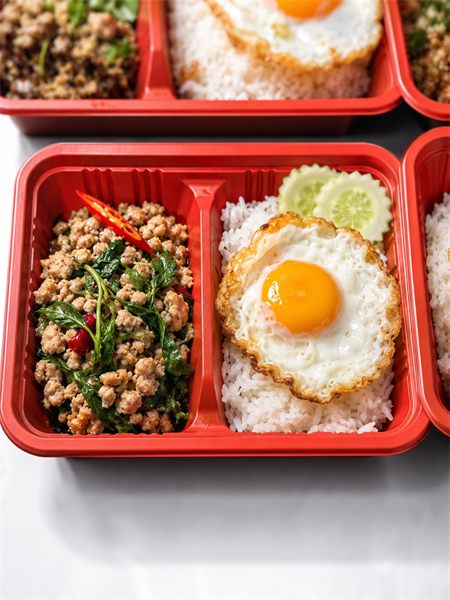
When ordering food for meetings, seminars, or company events, many teams ask the same question: How different are halal meal boxes from regular ones? And if there are only a few Muslim attendees, is it necessary to go halal for the whole event? The most direct answer is: they are more different than most people think. The difference is not just in the menu — it starts with ingredients, kitchens, equipment, certification documents, and traceability.
To put it simply, regular meal boxes may be tasty, clean, and within budget, but without a verifiable halal system, they are not considered halal food for Muslim consumers. Certified halal meal boxes, on the other hand, are designed so that everyone at the event can eat without needing separate food standards. This is why many organizations choose to order halal for the entire event, even when Muslim employees are not the majority.
1. "Halal" Does Not Just Mean "No Pork"
The most common misunderstanding is that if a menu has no pork, it is automatically halal. That is not true. Halal means what is permissible under Islamic law, and in the case of food, the meaning covers everything from source to end point — ingredient sources, animal slaughter methods, seasonings used, ingredient storage, equipment washing, transportation, and cross-contamination prevention.
For example, a stir-fried chicken with basil made in a regular kitchen may have no pork, but if it uses unverified sauce, the same wok as pork dishes, or ingredients from unverified sources, it still does not meet halal standards. This is the systemic difference that many people cannot see just from looking at the food box.
The official website of the Central Islamic Council of Thailand clearly states that CICOT was established under the Islamic Religious Organization Administration Act B.E. 2540 (1997) and has the authority to issue official halal food product certificates in Thailand.
2. Comparison Table: Halal vs Regular — Where They Differ
| Dimension | ✓ Halal Meal Box | Regular Meal Box |
|---|---|---|
| Ingredients | Must verify source of meats, seasonings, and all compounds are permissible under halal principles | Can use any ingredients per recipe without halal status verification |
| Meat | Land animal meat must come from properly slaughtered sources per Islamic rules | No additional religious regulations |
| Seasonings | Must watch sauces, seasoning powders, gelatin, and flavorings that may contain forbidden ingredients | May use commercial ingredients without halal status checks |
| Kitchen & Equipment | Must have clear separation and cross-contamination prevention systems | Typically share kitchen and equipment for all menus |
| Evidence | Has certificate number and can provide document copies | Typically can only confirm verbally |
| Traceability | Certified parties must have product traceability systems | No specific halal traceability requirements |
3. The Real Key Difference is "Verifiability"
When an organization is responsible for feeding hundreds of people, the risk is not just about taste — it is about whether the food can be proven suitable for all attendees. If a vendor only says "no pork, sir" or "Muslim customers have ordered before," that is not corporate-grade evidence. No one can confirm whether the same kitchen actually separates ingredients or uses the same seasonings.
On the other hand, the CICOT halal certification system is strong because it checks systematically. CICOT's official documents clearly outline evaluation steps — document review, on-site establishment inspection, and after certification, the vendor must maintain the same system throughout the certificate period. It is not a one-time document.
4. What Halal Food Must Be More Careful About Than Regular Food
Hidden Ingredients in Seasonings
Many organizations focus on main ingredients like chicken or fish, but what they should ask about is seasonings. Sauces, stock, seasoning powders, and some flavorings may contain ingredients that need careful verification. A genuine halal vendor can answer this clearly and typically has an approved list of ingredients in their system.
Shared Kitchen and Equipment
Regular meal boxes may be made in a kitchen that produces pork, beef, and seafood menus all mixed together. But halal kitchens must be much more careful about cross-contamination. If your organization has Muslim guests or employees, choosing a vendor with clear separation systems greatly reduces trust risks.
Verifiable Certification Documents
A good halal certificate is not just a logo on a webpage — it must have the business name, certificate number, and clear scope. If a vendor says "we have halal," ask immediately if you can see a copy of the certificate and what number can be checked in CICOT's `halal.co.th` system.
5. What to Check If You Choose Halal
- Ask for the halal certificate number and verify the business name matches the vendor you are dealing with
- Ask whether the vendor uses a dedicated halal kitchen or has an equipment separation system
- Ask about their ability to issue corporate documents — quotation and regular receipt
- Ask about minimum order, backup boxes, and delivery time, especially if your event starts on time
- Request verifiable references — certificate copies, kitchen photos, or reviews from other organizations
CICOT's requirements state that certified parties must have a product traceability system including production date, production location, expiry date, labels, and certificate number. This is why properly certified halal food is better suited for corporate events that require confidence.
6. Should Organizations Order 100% Halal?
From an on-site management perspective, the answer is it is usually more cost-effective to order all halal. It is the simplest way for everyone to eat together under one standard. Non-Muslims can eat halal food normally, but those who must follow halal requirements cannot eat regular food that has not been verified. Choosing halal reduces confusion, risk, and the feeling of being excluded from the team.
For organizations that value diversity and attention to detail, choosing halal food with supporting documents also makes the decision look more professional — because you can explain why you chose this vendor and what evidence supports it, not just a decision based on advertising.
Summary
Halal meal boxes and regular meal boxes differ at the system level, not just the menu level. Certified halal must pass verification on ingredients, production processes, contamination prevention, and traceability. Regular food may be tasty and clean, but it cannot answer religious and confidence questions at the same level.
If you need to serve food to a diverse group in one event, choosing certified halal meal boxes with clear documentation is the safest and most manageable choice.